
Yeast infections are a common yet often overlooked health issue in pets. Caused by an overgrowth of yeast (typically Malassezia or Candida species), these infections can cause discomfort, itching, and even serious complications if left untreated. While yeast is naturally present on the skin and in the ears of pets, certain conditions can lead to its overgrowth, resulting in infection.

Yeast infections are a common yet often overlooked health issue in pets. Caused by an overgrowth of yeast (typically Malassezia or Candida species), these infections can cause discomfort, itching, and even serious complications if left untreated. While yeast is naturally present on the skin and in the ears of pets, certain conditions can lead to its overgrowth, resulting in infection.
1. What Are Yeast Infections in Pets?
Definition
Yeast infections occur when there is an overgrowth of yeast on the skin, in the ears, or in other moist areas of the body. The most common types of yeast that affect pets are Malassezia and Candida.
Why It’s a Problem
Yeast infections can cause significant discomfort, including itching, redness, and inflammation. If left untreated, they can lead to secondary infections, chronic skin issues, and a reduced quality of life for your pet.
2. Causes of Yeast Infections in Pets

Underlying Health Conditions
- Allergies: Food or environmental allergies can create an environment conducive to yeast overgrowth.
- Hormonal Imbalances: Conditions like hypothyroidism or Cushing’s disease can weaken the immune system and increase the risk of yeast infections.
- Immune System Disorders: Pets with weakened immune systems are more susceptible to yeast overgrowth.
Environmental Factors
- Humidity: Warm, moist environments provide an ideal breeding ground for yeast.
- Poor Ventilation: Pets with skin folds or floppy ears are at higher risk because these areas can trap moisture.
Lifestyle Factors
- Poor Hygiene: Inadequate grooming or cleaning can lead to yeast buildup.
- Diet: A diet high in sugar or carbohydrates can promote yeast growth.
3. Common Areas Affected by Yeast Infections
Ears
Yeast infections in the ears (otitis externa) are particularly common in dogs and cats. Symptoms include itching, redness, and a foul odor.
Skin
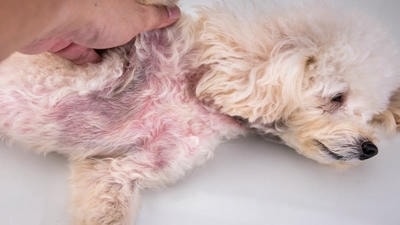
Yeast infections on the skin often occur in moist areas, such as between the toes, under the armpits, or in skin folds. Signs include redness, itching, and greasy or scaly patches.
Paws
Paws are a common site for yeast infections, especially in dogs. Persistent licking or chewing of the paws is a telltale sign.
Genital Area
Yeast infections can also occur in the genital area, causing itching, redness, and discomfort.
4. Symptoms of Yeast Infections in Pets
Skin Symptoms
- Redness or inflammation
- Itching or scratching
- Greasy or scaly skin
- Sores or scabs
- Hair loss
Ear Symptoms
- Foul odor
- Discharge (brown, yellow, or black)
- Redness or swelling
- Head shaking or tilting
- Scratching at the ears
General Symptoms
- Unusual odor (often described as musty or cheesy)
- Lethargy or irritability
- Changes in behavior, such as increased agitation or anxiety
5. Diagnosing Yeast Infections in Pets
Physical Examination
Your veterinarian will perform a thorough physical examination to assess the affected areas and look for signs of yeast overgrowth.
Diagnostic Tests
- Skin Scraping or Swab: To collect samples for microscopic examination and identify the presence of yeast.
- Ear Cytology: A sample of ear discharge is examined under a microscope to confirm a yeast infection.
- Blood Tests: To check for underlying health conditions that may contribute to yeast overgrowth.
6. Treatment Options for Yeast Infections

Topical Treatments
- Antifungal Creams or Ointments: Applied directly to the affected skin or paws to reduce yeast growth.
- Ear Drops: Antifungal ear drops are used to treat ear infections.
- Medicated Shampoos: Containing antifungal ingredients like ketoconazole or chlorhexidine to cleanse the skin and control yeast.
Oral Medications
- Antifungal Pills: Such as fluconazole or itraconazole, prescribed for severe or widespread infections.
- Antihistamines: To reduce itching and discomfort in pets with allergies.
Dietary Changes
- Low-Carbohydrate Diet: Reducing sugar and carbs in your pet’s diet can help prevent yeast overgrowth.
- Probiotics: Supplements to promote a healthy gut microbiome and support the immune system.
7. Home Remedies for Yeast Infections
Apple Cider Vinegar
Diluted apple cider vinegar can be used as a natural antifungal rinse for the skin or ears. Mix one part vinegar with one part water and apply with a cloth or cotton ball.
Coconut Oil
Coconut oil has antifungal properties and can be applied topically to soothe irritated skin and reduce yeast growth.
Yogurt
Plain, unsweetened yogurt with live cultures can help restore healthy bacteria in your pet’s gut and skin.
8. Preventing Yeast Infections in Pets
Regular Grooming
- Bathe your pet regularly with a gentle, antifungal shampoo.
- Clean and dry skin folds, ears, and paws thoroughly after baths or exposure to water.
Proper Ear Care
- Check your pet’s ears weekly for signs of infection.
- Use a vet-recommended ear cleaner to remove wax and debris.
Healthy Diet
- Feed your pet a balanced diet with minimal sugar and carbohydrates.
- Consider adding probiotics to support gut health.
Environmental Control
- Keep your pet’s living area clean and dry.
- Use dehumidifiers in humid climates to reduce moisture indoors.
9. Special Considerations for Different Pets
Dogs
Dogs, especially those with floppy ears or skin folds (e.g., Bulldogs, Basset Hounds), are particularly prone to yeast infections. Regular grooming and ear care are essential.
Cats
Cats can also develop yeast infections, often in the ears or skin. Watch for excessive scratching, head shaking, or changes in behavior.
Small Animals
Rabbits, guinea pigs, and other small animals can develop yeast infections in the ears or genital area. Keep their enclosures clean and dry.
10. Myths About Yeast Infections in Pets
Myth: Yeast Infections Are Contagious
Fact: Yeast infections are not contagious between pets or humans. However, the underlying conditions that contribute to yeast overgrowth (e.g., allergies) may affect multiple pets.
Myth: Only Smelly Pets Get Yeast Infections
Fact: While yeast infections often cause a distinct odor, not all pets will have this symptom. Look for other signs, such as itching or redness.
Myth: Yeast Infections Clear Up on Their Own
Fact: Yeast infections typically require treatment to resolve. Without intervention, they can worsen and lead to complications.
11. When to See a Veterinarian
If your pet shows signs of a yeast infection, such as persistent itching, redness, or odor, consult your veterinarian for a proper diagnosis and treatment plan. Early intervention can prevent the infection from spreading or becoming chronic.
Conclusion
Yeast infections can cause significant discomfort for your pet, but with proper identification, treatment, and prevention, you can help keep them healthy and happy. Regular grooming, a balanced diet, and attentive care are key to reducing the risk of yeast overgrowth. If you suspect your pet has a yeast infection, seek veterinary advice promptly to ensure they receive the best possible care. By staying vigilant and proactive, you can protect your furry friend from the discomfort of yeast infections and ensure their well-being.
Popular Posts

The Ultimate Guide to Dental Care for Dogs and Cats
Maintaining the health of your pets goes beyond just providing regular food and exercise; dental care is a crucial aspect that often gets overlooked. Just like humans, dogs and cats can suffer from dental diseases that may lead to serious health issues if left untreated.

Socializing Your Pet: Tips for a Confident and Friendly Companion
Socialization is one of the most important aspects of pet ownership that can significantly impact your pet's behavior and overall well-being. A well-socialized pet is more likely to be confident, friendly, and comfortable in various environments.
Meet the Maine Coon: The Gentle Giant of the Cat World
The Maine Coon cat is a breed that captures the hearts of many with its striking appearance and affectionate personality. Known for their impressive size, tufted ears, and bushy tails, these gentle giants are not only one of the largest domesticated cat breeds but also one of the most beloved.

How to Keep Your Pet Calm and Comfortable on Long Journeys
aveling with pets can be a rewarding experience, but it can also present challenges, especially on long journeys. Whether you're heading out for a family vacation, a move across the country, or a visit to the veterinarian, it's essential to ensure that your pet is calm and comfortable throughout the trip.

How to Stop Your Puppy from Chewing Everything in Sight
Bringing a puppy into your life can be an incredibly joyful experience. Their playful nature, boundless energy, and affection often brighten our days. However, one of the most common challenges puppy owners face is the tendency for their young dogs to chew on anything and everything in sight.

Labrador Retriever: Why This Breed Is America's Favorite Dog
The Labrador Retriever is often hailed as America’s favorite dog breed, and with good reason. Known for their friendly demeanor, intelligence, and versatility, Labs have earned their place in countless homes as beloved family companions.